Across the transportation industry, carriers pour thousands of dollars into measuring the cost per hire. Fleets obsess over lead volume, application drop-off rates, and ad spend. Yet far too few companies measure the value of the relationship after the driver signs the paperwork.
Hiring the driver is only the start. When the relationship becomes purely transactional, drivers leave for the next carrier offering a slightly bigger sign-on bonus. To build real retention, carriers have to shift focus from transactional recruiting to ongoing, human connection.
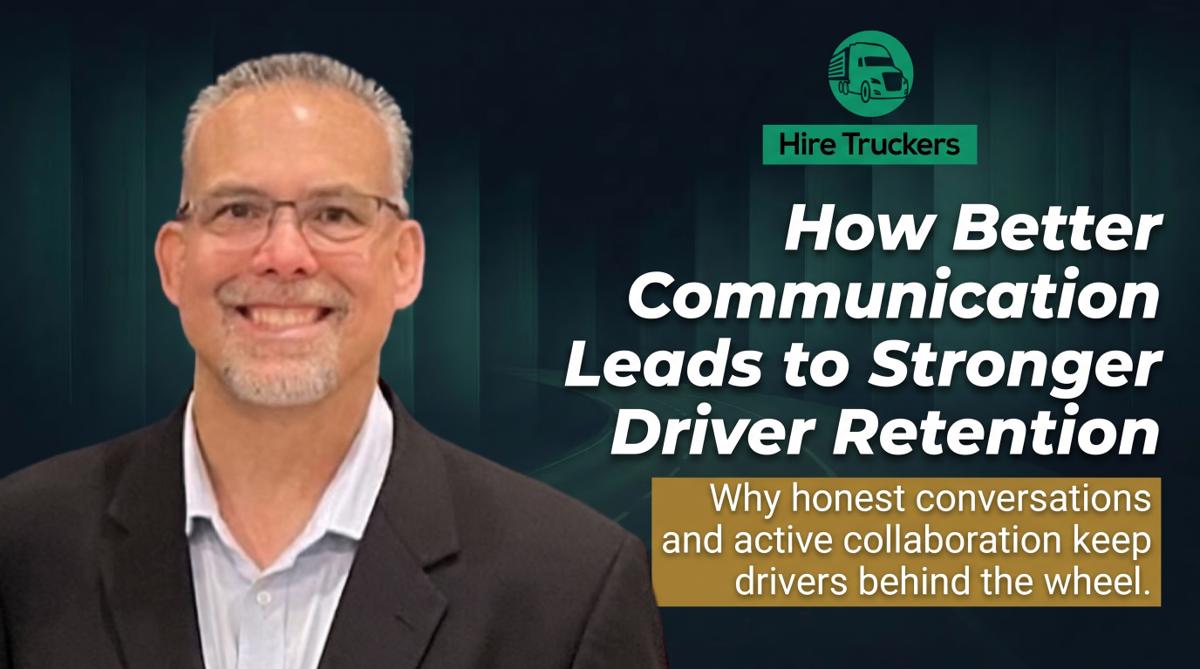
On a recent episode of the Hire Truckers podcast, host Ginger Craddock sat down with Robert Sitarski, who manages driver recruiting and driver relations at Hansen & Adkins Auto Transport, a division of Proficient Auto Logistics. Having spent years behind the wheel before stepping into recruiting, Sitarski brings a rare perspective on what drivers actually need to feel valued, respected, and committed to their fleet.
The Golden Rule of Recruiting: Never Overpromise
Every recruiting conversation sets expectations around pay, home time, equipment, and work conditions. When reality does not match the sales pitch, trust vanishes immediately.
"Don't ever promise something that you can't deliver," Sitarski emphasizes. "That is where you're going to lose a driver fast... don't ever do that to a driver because you will not retain them."
Recruiters often feel pressured to close the deal, but sugarcoating difficult aspects of the job backfires. Hansen & Adkins operates in auto transport, a specialized sector of trucking that requires drivers to secure multi-million-dollar vehicle loads in extreme weather. Sitarski trains his team to be upfront about the physical demands, weekend schedules, and steep learning curves.
When recruiters speak candidly about challenges, drivers can evaluate whether the role fits their life and skill set. Giving an accurate picture upfront filters out candidates who would otherwise quit within their first month.
Treating Drivers as Your Most Important Customers
Recruiting departments often treat candidates like numbers to push through an applicant tracking system. Sitarski advocates for a complete mindset shift: treat drivers as internal customers.
Drivers generate the revenue that keeps the business running. When office staff prioritize quick responses, deliver clear answers, and show basic appreciation, it reshapes fleet culture. Sitarski recalls an early corporate trip visiting a terminal in Houston, where he overheard a terminal manager thanking a team member out loud. That manager then ran over, shook Sitarski's hand, and thanked him sincerely for his work.
That simple moment of genuine appreciation left a lasting mark. It proved that drivers, like anyone else, crave authentic connection and mutual respect rather than sterile, corporate communication.
The First 90 Days and the Danger of Silence
Driver turnover spikes during early onboarding. Carriers frequently assume that once a driver completes orientation and takes their first load, the recruiting job is done. In reality, the first 30 to 90 days determine whether a driver settles in or starts looking elsewhere.
At Hansen & Adkins, recruiters stay involved well after orientation. They conduct regular onboarding check-ins throughout the driver's first 90 days. These touchpoints uncover hidden roadblocks, whether a driver is struggling with benefits enrollment, dealing with unfamiliar electronic logging devices, or experiencing truck maintenance hiccups.
When asked during rapid-fire questions to name the single biggest warning sign that a driver is about to leave, Sitarski did not point to pay disputes or dispatch friction. His answer was immediate: "They stop communicating."
When a driver goes quiet, they have usually checked out mentally. Fleet leaders who maintain consistent, proactive outreach can catch frustration before it turns into an exit.
Giving Drivers a Real Voice Through Driver Councils
Many fleets conduct annual driver surveys or exit interviews, but those tools often arrive too late to fix real-time operational issues. Hansen & Adkins takes a proactive approach through a company-wide Driver Council.
The council gathers top-performing, safety-minded drivers from different regions across the country for a monthly video call with upper management and department heads. The goal is open collaboration between drivers and executive leadership.
How to Run an Action-Oriented Driver Council
Include Department Leadership: Having decision-makers on the call, such as the director of maintenance, allows operational questions to be answered directly without bureaucratic delays.
Commit to Immediate Resolution: Council questions must receive a clear answer: yes, no, or maybe. Leaving driver feedback in limbo destroys credibility.
Build Peer-to-Peer Mentorship: Council members act as regional mentors. New drivers who are unfamiliar with specific routes, terminals, or customer delivery locations can call council members directly for real-world guidance.
Involve Drivers in Major Decisions: When Hansen & Adkins ordered a new batch of trucks, leadership handed the schematics to the Driver Council, inviting drivers to select the options and layout that would work best in the field.
Giving drivers ownership over their equipment and company policies transforms their relationship with the business. It turns passive employees into invested partners.
Culture Outlasts Sign-On Bonuses
In a volatile market where competitors constantly wave aggressive sign-on bonuses, carriers cannot rely on financial incentives alone to keep seats filled. If pay and home time are comparable, company culture is what tips the scale.
Sitarski shared a personal memory that shaped his approach to driver relations: the tragic roadside loss of a close driving friend, Art Torres, years ago. The tragedy served as a profound reminder that behind every cab is a person with a family, anxieties, and a life outside the truck.
Leaders should not wait for a crisis to show that they care. Meaningful communication, transparent recruiting, and proactive listening cost very little, but they yield immense returns in fleet stability, driver satisfaction, and long-term retention.
This article was adapted from an interview with Robert Sitarski on the Hire Truckers podcast, hosted by Ginger W. Craddock.



 Daniel Kelly