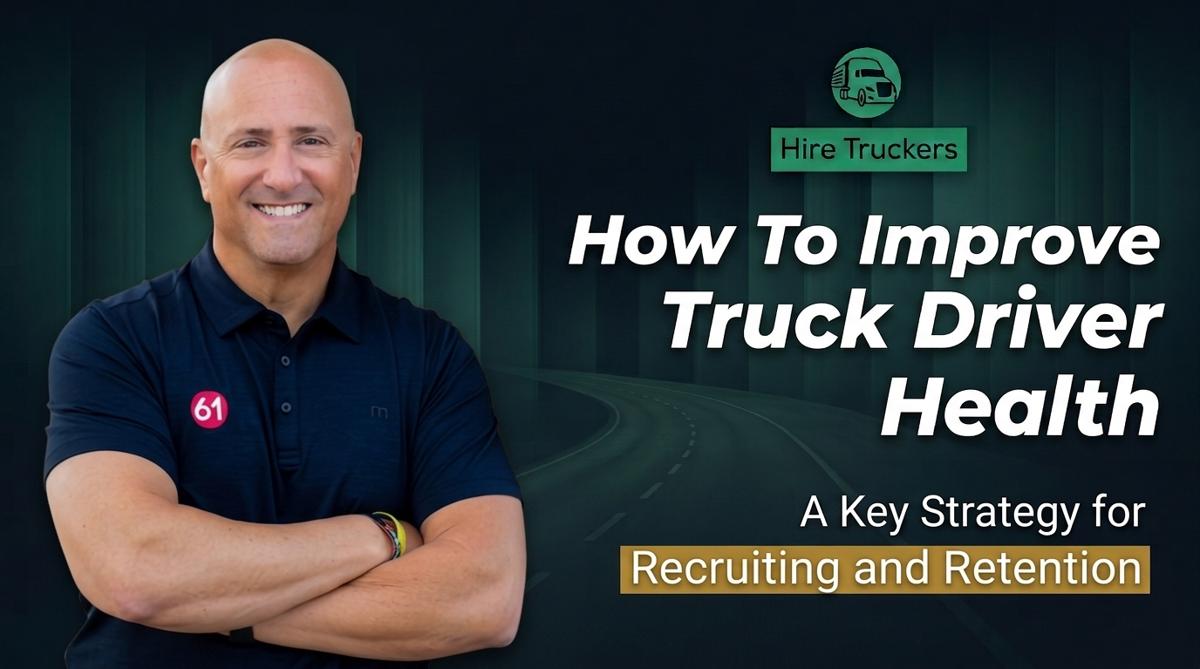
Improving Driver Health: A Key Strategy for Recruiting and Retention
In a recent episode of the Hire Truckers Podcast, host Aaron Craddock sat down with Jeremy Reymer, founder of DriverReach and Project 61, to discuss an often-overlooked aspect of driver recruiting and retention: driver health and wellness. The conversation revealed compelling insights about how prioritizing driver health can transform recruiting strategies and improve retention rates.
Understanding the Driver Health Challenge
According to CDC data, truck drivers face significant health challenges that impact their longevity. The statistics paint a concerning picture - professional drivers have an average life expectancy of 61 years, substantially lower than the general population. Additionally, diabetes rates among drivers range from 15 to 17 percent, approximately double the national average.
These health challenges stem from several factors inherent to the profession:
Extended periods of sedentary behavior
Limited access to healthy food options
Irregular sleep patterns
Challenges maintaining consistent exercise routines
High stress levels
Project 61: Taking Action for Driver Health
Recognizing these challenges, Jeremy Reymer launched Project 61, an initiative aimed at improving driver health outcomes. The project began with a simple step challenge that quickly grew to include nearly 300 participants, with goals of reaching 1,000 or more.
The initiative focuses on three main areas:
Physical activity through step challenges
Nutritional education and healthy eating habits
Sleep quality improvement
You can learn more about getting involved at project-61.org.
Impact on Driver Recruiting
Driver health initiatives can significantly enhance recruiting efforts. As Reymer explains, "Drivers want to work for a company that cares about them, not just as means to an end." Companies demonstrating genuine concern for driver wellbeing through health programs often see improved recruiting outcomes.
Creating Effective Health Programs
When implementing driver health initiatives, consider these approaches:
Start with simple, achievable goals like step challenges
Provide education about nutrition and healthy food choices
Support sleep health through sleep apnea screening and treatment
Create accountability through group participation
Offer incentives for health-related achievements
Retention Benefits of Health Programs
Health initiatives can strengthen driver retention by:
Creating a culture of care that extends beyond basic employment requirements
Helping drivers maintain their CDL medical certification
Reducing healthcare costs for both the company and drivers
Enabling drivers to extend their careers through better health
Building stronger connections between drivers and the company
Practical Implementation Tips
Implementing health programs doesn't have to be complex. Here are some practical ways to get started:
Fleet-Wide Step Challenges
Companies can create their own step challenges using free apps like StepBet. These challenges:
Foster friendly competition
Create accountability
Build community among drivers
Encourage regular movement
Supporting Healthy Eating
Help drivers make better food choices by:
Providing education about healthy food options at truck stops
Teaching meal planning strategies
Encouraging the use of truck refrigerators for fresh food storage
Sharing tips for healthy snack options
Sleep Health Support
Addressing sleep health through:
Sleep apnea screening programs
CPAP machine support
Education about healthy sleep habits
Schedule planning that supports regular rest periods
Getting Started with Driver Health Initiatives
Launching a driver health program requires careful planning and a deep understanding of your fleet's unique needs. Begin by conducting thorough conversations with your drivers to understand their specific health challenges and barriers to wellness. These discussions often reveal valuable insights about the practical obstacles drivers face in maintaining healthy habits on the road.
Once you've gathered driver input, develop a structured approach that addresses their primary concerns while remaining achievable within your organization's resources. Consider starting with a pilot program involving a small group of interested drivers who can provide feedback and help refine the initiative before rolling it out fleet-wide.
Measurement plays an essential role in program success. Work with your healthcare providers and wellness partners to establish baseline health metrics that can be tracked over time. These might include aggregate data on health screening results, participation rates in wellness activities, or improvements in specific health indicators. Remember to maintain proper privacy protocols while collecting this information.
Regular communication and adjustment of the program based on driver feedback helps ensure long-term success. Create channels for drivers to share their experiences and suggestions, whether through regular surveys, focus groups, or dedicated health program coordinators who can serve as points of contact for questions and concerns.
The Future of Driver Health
The trucking industry stands at a pivotal moment regarding driver health initiatives. Forward-thinking companies are reimagining traditional truck stops and fleet facilities to better support driver wellness. Some innovative fleets have begun partnering with truck stop chains to develop dedicated walking paths and outdoor exercise areas, providing drivers with safe, accessible spaces for physical activity during their breaks.
The future of healthy food options at travel centers looks promising as well. Industry leaders are exploring partnerships with health-focused food providers and working to improve the selection of nutritious grab-and-go meals. Some companies have even started implementing mobile fresh food markets that visit popular truck parking locations, bringing healthy options directly to drivers.
Technology will likely play an increasing role in supporting driver health initiatives. Wearable devices, health tracking apps, and virtual coaching programs are becoming more sophisticated and better tailored to the unique needs of professional drivers. These tools can provide personalized health recommendations while taking into account the constraints of life on the road.
Rest facilities are also evolving to better support driver wellness. New designs incorporate features like indoor exercise rooms, meditation spaces, and improved sleeping environments. These changes reflect a growing understanding that quality rest is fundamental to both driver health and safety.
Conclusion
Investing in driver health represents a significant opportunity for fleets to improve both recruiting and retention while making a positive impact on drivers' lives. By implementing thoughtful health initiatives, companies can demonstrate their commitment to driver wellbeing while building stronger, more resilient fleets.
For more information about implementing driver health programs or improving your recruiting strategies, visit project-61.org or connect with industry experts on LinkedIn.
This article was adapted from an interview with Jeremy Reymer on the Hire Truckers podcast, hosted by Aaron Craddock.


 Daniel Kelly