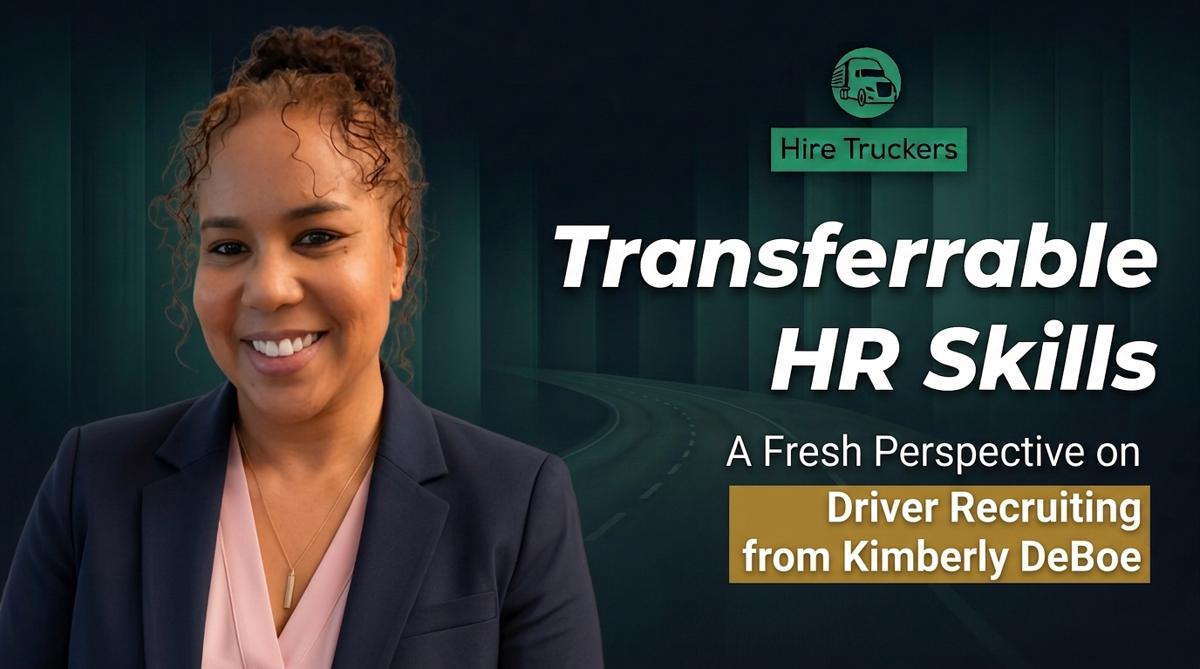
With 20 years of HR experience across various industries, Kimberly DeBoe brings valuable insights to her role as a recruiter at Dynamic Transit Company. Her perspective challenges the notion that transportation industry experience is necessary for success in driver recruiting, highlighting how fundamental HR principles remain consistent across sectors.
The Universal Nature of Recruiting Fundamentals
Despite the unique aspects of the transportation industry, DeBoe emphasizes that core recruiting principles remain steady across different fields. While specific requirements and approaches may vary between hiring a truck driver versus a warehouse worker, the baseline recruiting process maintains consistent elements.
"Recruiting involves a process, and it's not just about waiting for people to apply," DeBoe explains. "It's about searching, sourcing, and reaching out to figure out the best way to attract the people you're trying to attract."
Quality-Focused Hiring Strategy
At Dynamic Transit, DeBoe has implemented a strategic approach that prioritizes quality over quantity in driver recruitment. This philosophy stems from understanding that while driver applications may be plentiful, finding the right fit requires looking beyond basic qualifications.
DeBoe elaborates on what constitutes a quality hire: "Meeting qualifications is like getting a C grade. We look for B and A drivers who exceed minimum requirements." This approach may create a temporary dip in hiring numbers but leads to improved retention and more stable staffing levels over time.
Leveraging Social Media for Driver Engagement
Social media has emerged as a powerful tool for connecting with drivers. DeBoe's team at Dynamic Transit takes an innovative approach to social media marketing, moving beyond traditional job advertisements to create engaging content that resonates with drivers.
Their strategy includes:
Creating interactive posts that encourage driver participation
Sharing content about drivers' experiences and interests
Focusing on building relationships before recruitment
Maintaining authentic engagement through comments and responses
Showcasing company equipment, particularly their Peterbilt fleet
The Role of Emotional Intelligence in Driver Recruiting
DeBoe brings valuable insights from her Franklin Covey training certification, emphasizing the importance of emotional intelligence in recruiting. She highlights active listening as a fundamental skill that can transform recruiter-driver interactions.
"Drivers want to be heard, and not many people listen," DeBoe shares. Her approach centers on asking "How can I help?" and then truly listening to understand drivers' needs rather than rushing to present solutions.
Building Strong Retention Through Transparency
Retention begins with honest communication during recruitment. DeBoe emphasizes the importance of aligning recruiting messages with operational realities. Their approach includes:
Regular check-ins with new drivers
Multiple communication channels for feedback
Close collaboration between recruiting and operations teams
Dedicated driver relations management
Clear explanation of role expectations
Embracing Industry Evolution
The transportation industry continues to evolve, and bringing in professionals from other sectors can introduce fresh perspectives and proven practices. DeBoe's experience demonstrates how HR principles from various industries can strengthen driver recruiting programs when combined with transportation-specific knowledge.
This article was adapted from an interview with Kimberly DeBoe on the Hire Truckers podcast, hosted by Aaron Craddock.


 Daniel Kelly